How do you distinguish between health and medical oxygen?
Day-to-day health care is generally 1-2 L/min; medical oxygen therapy (e.g. slow lung and cardio-pulmonary rehabilitation) requires a doctor to set the flow and duration.
* 资质文件与软件由品牌方后台统一维护,上线后可直接下载。
II. Type II medical devices
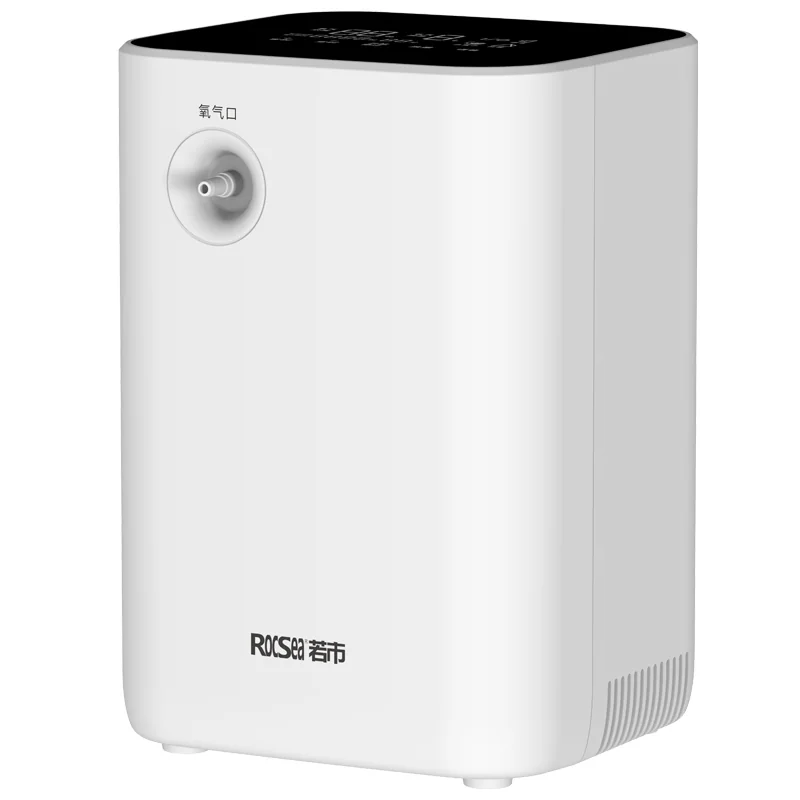
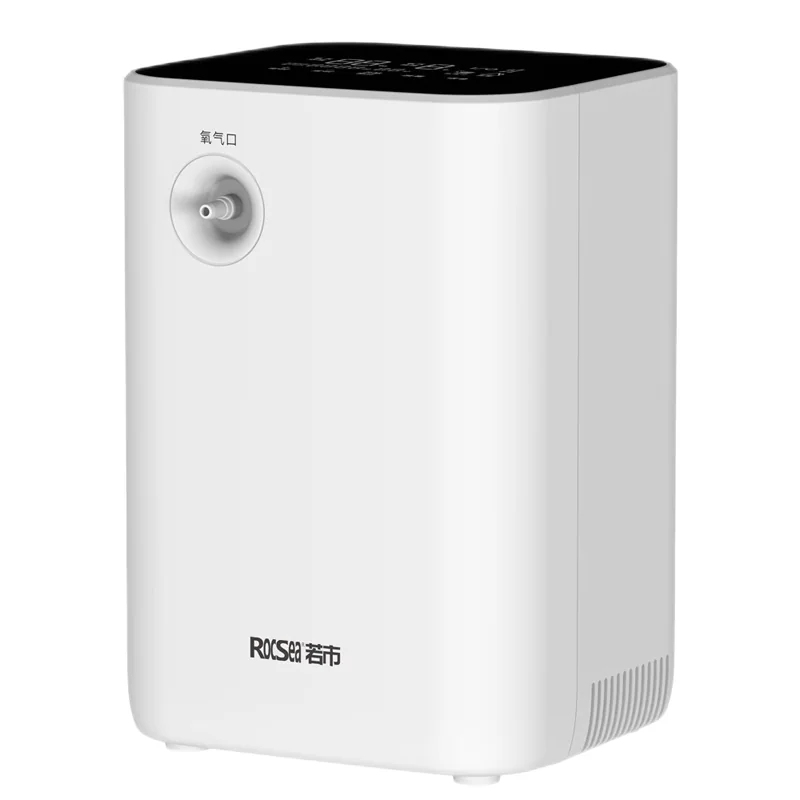
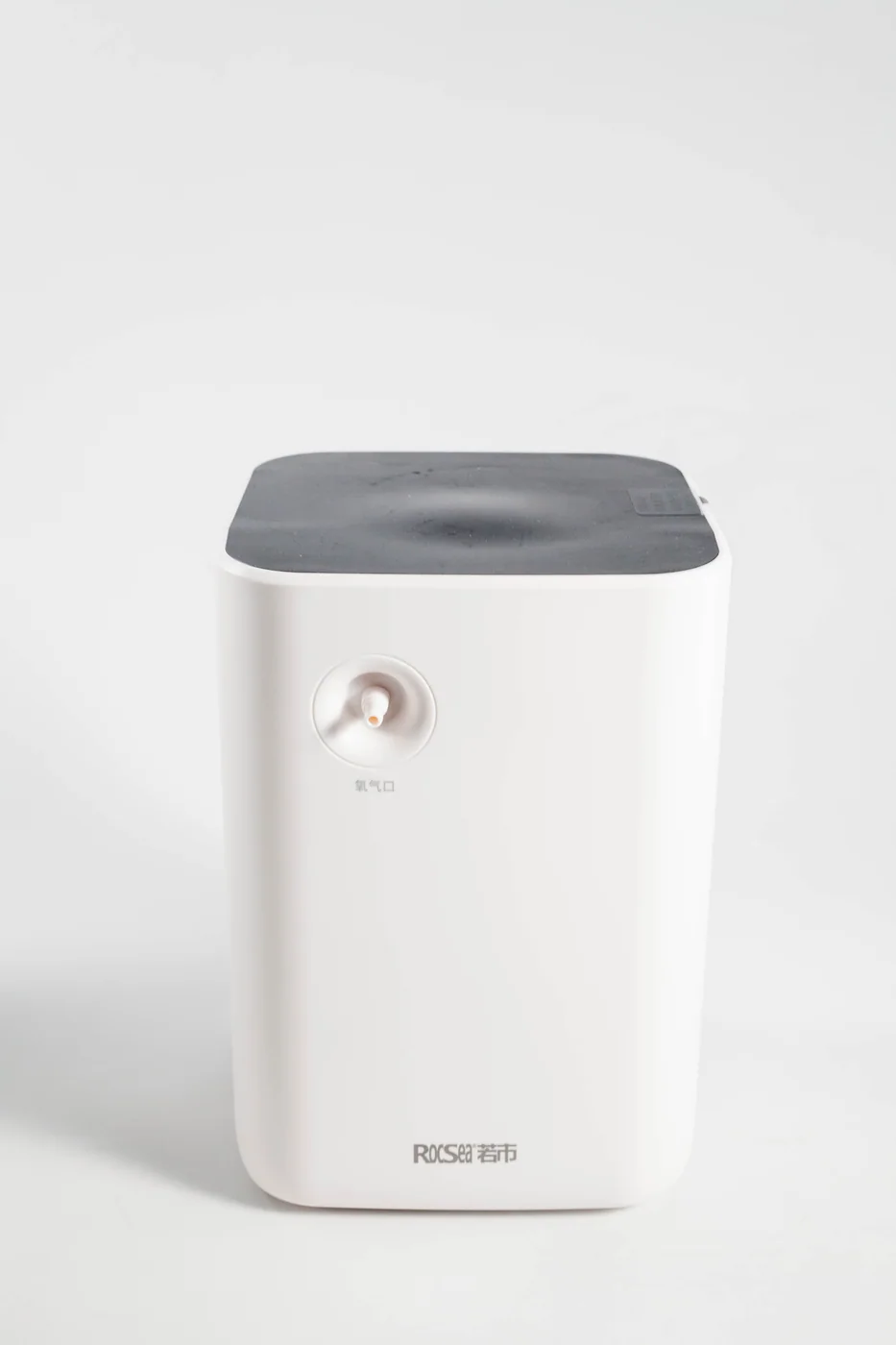
Medical Oxygen Concentrator
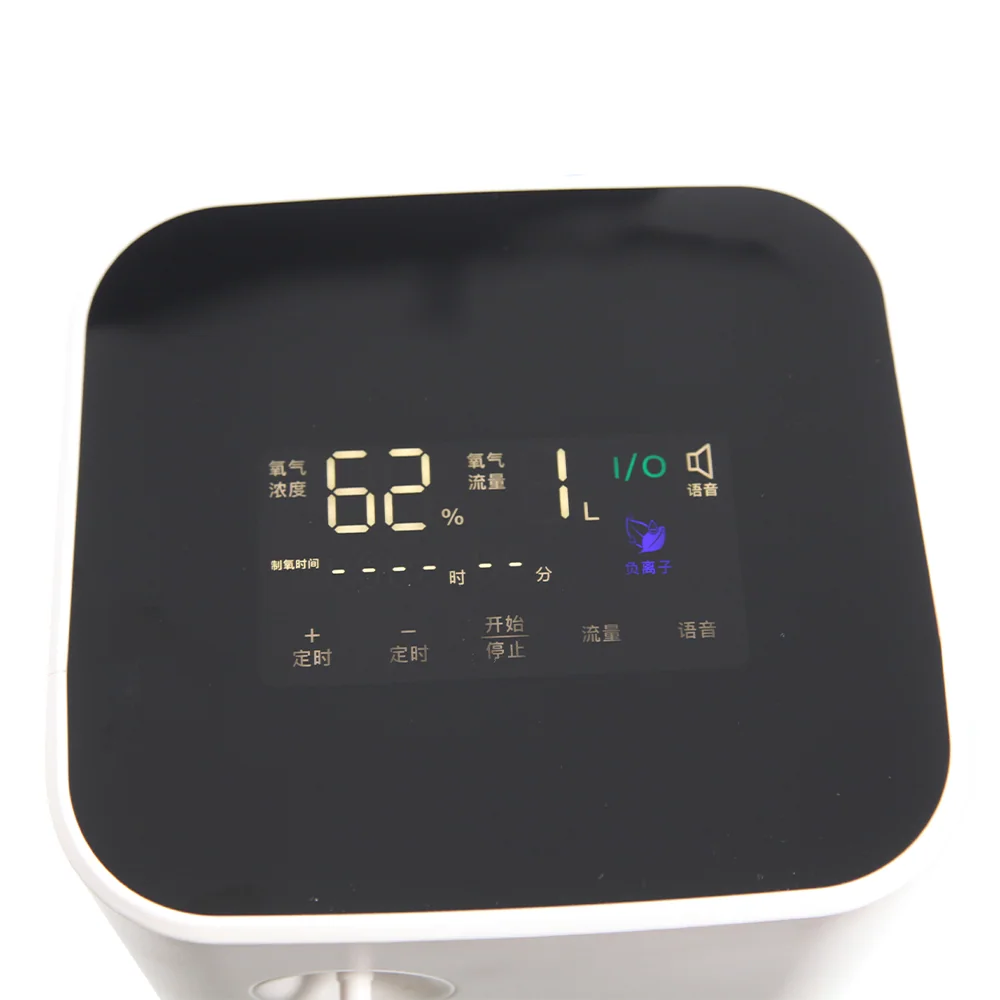
RocSea Medical Molecular Sifting Oxygen (PSA) technology to detached oxygen from air, maintained 93% ±3% oxygen concentration under flow of 1-5 L/min, operated noise 45dB, integrated mistification function, suitable for long-term family oxygen therapy and respiratory support (medical use required).
* 参数以随机《产品使用说明书》为准;注册证号与临床资料以官方公示为准。
Oxygen-based sifting (PSA) technology: Compressor presses the air into a sift tower filled with boiling stones, nitrogen is pre-sorted, oxygen is enriched for export, wet and used for inhaling. The whole machine is based on air and does not need to be filled with oxygen cylinders, which can be used continuously over the long term.
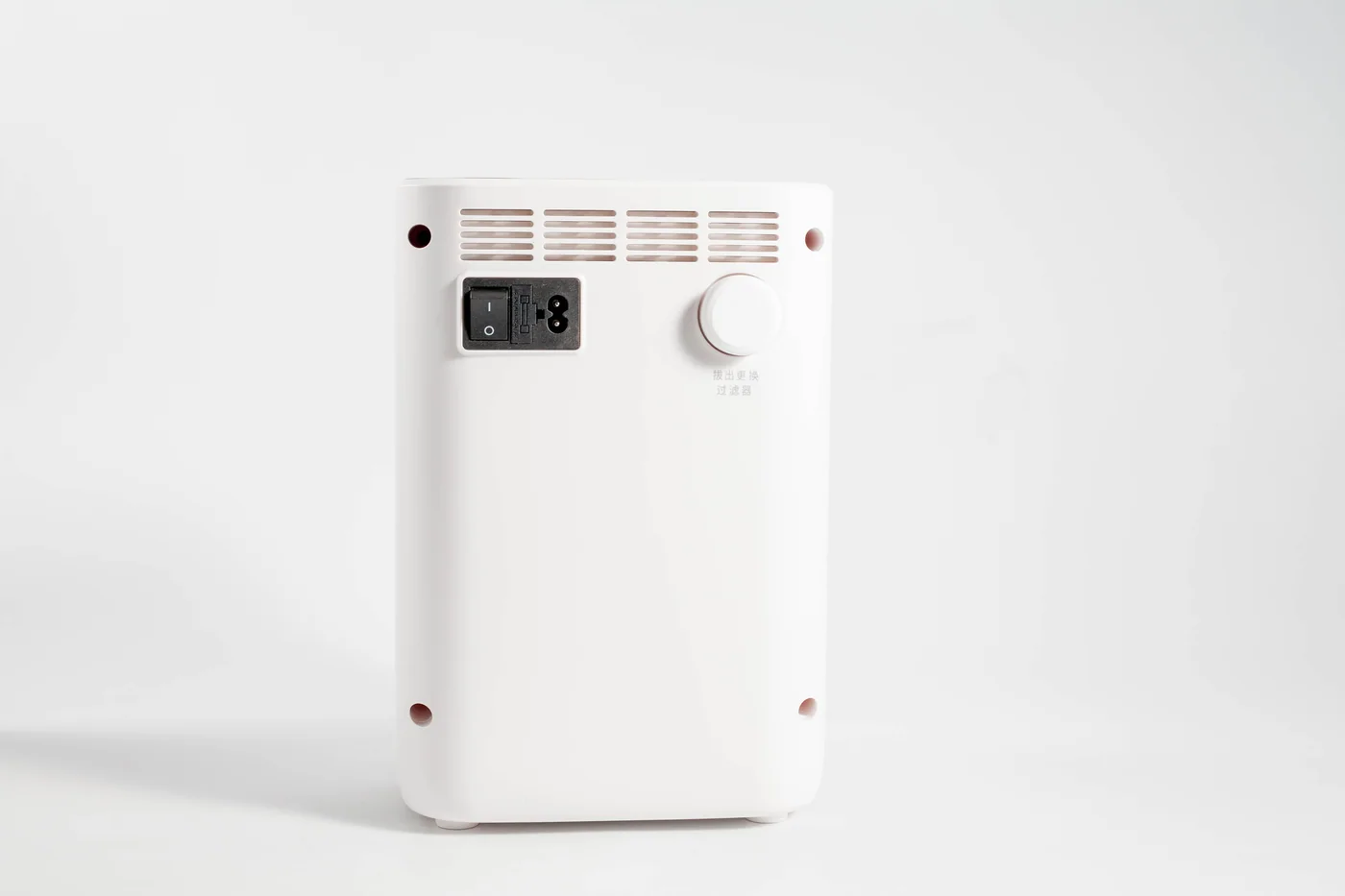
Air filters are cleaned every 2 weeks (drying back) and replaced every 1-2 years; wet bottles are cleaned every time they are used; electricity is not cut and dust is covered for long periods.
Day-to-day health care is generally 1-2 L/min; medical oxygen therapy (e.g. slow lung and cardio-pulmonary rehabilitation) requires a doctor to set the flow and duration.
Fluorine is not required; molecular sifts are long-lived materials and are normally used for tens of thousands of hours. It is recommended that air filters be cleaned or replaced regularly to ensure oxygen concentration.
This is 45 dB, which corresponds to the volume of the library environment; the host can be placed in the adjacent room outside the bedroom at night and introduced with a nose tube.